
Tirana Travel Guide
A lively capital shaped by reinvention and contrast. Tirana rewards time spent exploring modern history, public architecture, food and the distinct character of its central neighbourhoods.
- Ideal stay
- 2–3 nights
- Car needed
- No
- Best for
- First-time Albania trips
Albania’s practical urban gateway
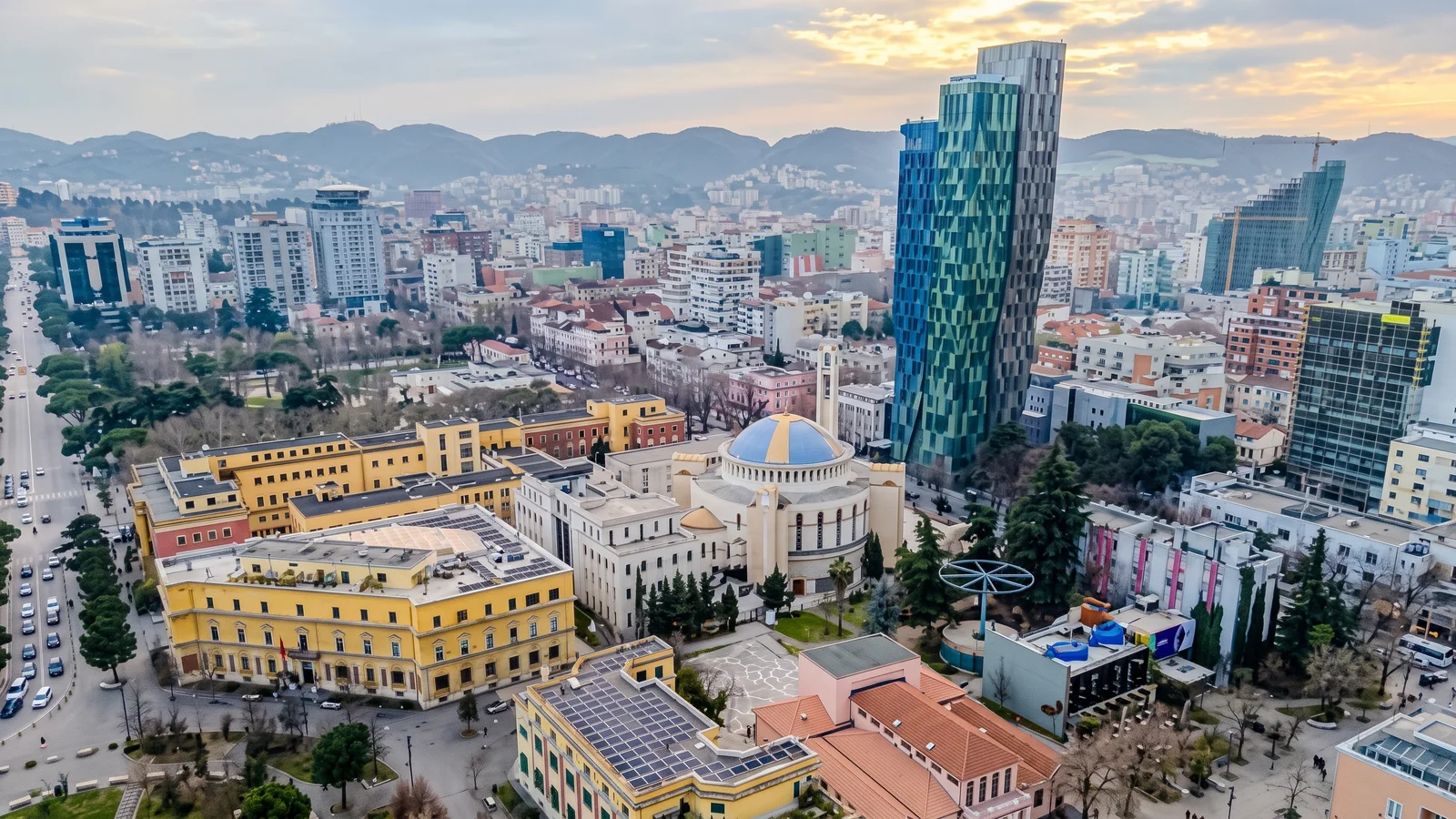
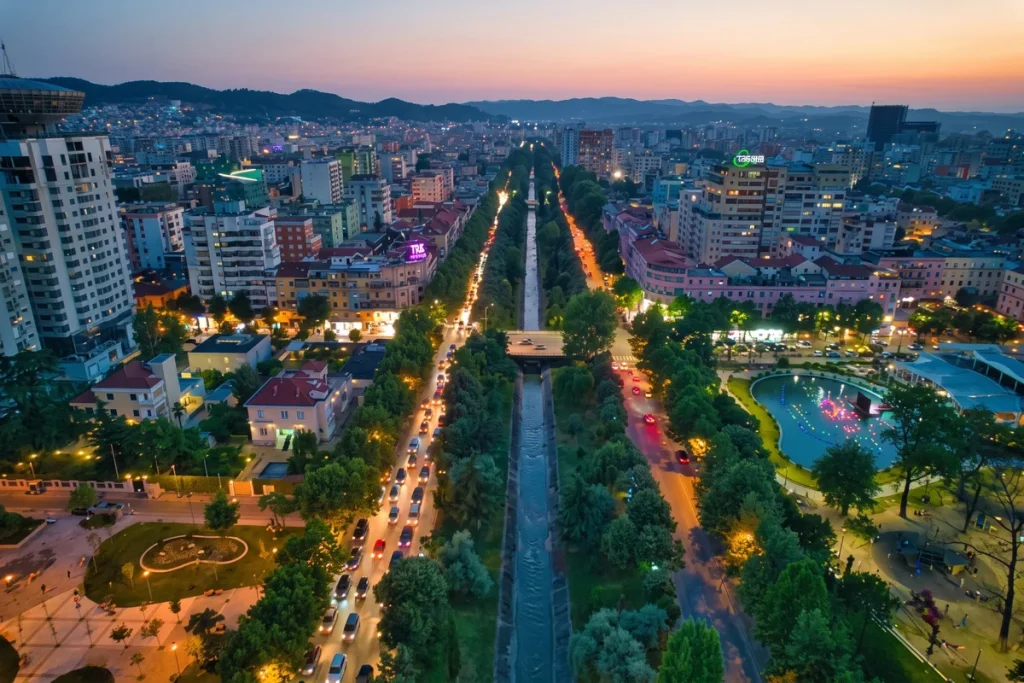
Skanderbeg Square, the Pyramid and broad central boulevards reveal a capital repeatedly reshaped by politics and rapid change. Blloku and the New Bazaar add restaurant life and neighbourhood contrast, while bunker museums give the contemporary city essential historical context.
Tirana works best for first-time visitors, cultural travellers and anyone beginning a wider Albania itinerary.
Read the full overview
It asks for curiosity rather than extensive sightseeing time: the central rewards are concentrated, but the busy urban atmosphere will not suit travellers wanting a quiet resort break.
Getting to Tirana
Tirana is Albania’s main air and bus gateway, but arrival points differ. Confirm your terminal and final transfer rather than assuming every service reaches the centre.
Before you travelTravel realities and local limitations1 note
Tirana’s appeal comes from abrupt juxtapositions: monumental boulevards, communist-era structures, colourful façades, construction and heavy traffic can occupy the same short walk. The city is not built around one preserved historic quarter, and its most revealing museums or mountain outing are not all clustered around the main square. Treat the uneven cityscape as part of the experience, while allowing extra effort for places beyond the compact core.
What deserves your time
Combine the central landmarks with one focused history visit, two contrasting neighbourhoods and an excursion that matches your available time.
- 01
Explore Skanderbeg Square
Begin with the capital’s monumental core, including the equestrian statue of Skanderbeg, Et’hem Bey Mosque and the Clock Tower. Continue along the central pedestrian streets and boulevards to see how Ottoman, Italian-influenced and communist-era layers meet.
- 02
See the Pyramid’s reinvention
The Pyramid began as a museum dedicated to communist leader Enver Hoxha and has since been transformed for public use. Its unusual form and changing purpose make it one of the clearest symbols of Tirana’s reinvention.
- 03
Choose one history museum
Bunk’Art explores communist-era history in a former bunker complex, while the House of Leaves focuses on state surveillance in the former secret-police headquarters. Choose according to your interests rather than rushing through every museum.
- 04
Compare Blloku and New Bazaar
Blloku, once restricted to Albania’s political elite, is now known for cafés, restaurants and evening activity. The New Bazaar area offers a market-centred setting and a different view of everyday central Tirana.
- 05
Slow down in Grand Park
Paths around the artificial lake provide a greener counterpoint to the traffic and dense streets of the centre. It is especially worthwhile after the principal landmarks rather than as a substitute for them.
- 06
Plan a Dajti excursion
Mount Dajti adds mountain scenery and a broader view of the capital to an otherwise urban stay. It lies beyond the walkable centre, so allow a separate block of time and check the transport arrangements you intend to use.
- 07
Choose a realistic day trip
Krujë combines a hilltop historic setting with strong links to Skanderbeg, Durrës adds Adriatic coast and archaeology, and Berat offers Ottoman-era quarters. Longer excursions can mean early starts and tiring days.
Is Tirana your kind of base?
Best suited to
- First-time visitors — Tirana provides historical context and a natural starting point for understanding modern Albania.
- No-car travellers — The compact central sightseeing area and strong onward bus role make the capital a useful base without a vehicle.
- Culture-focused travellers — Former bunkers, surveillance history, public architecture and rapidly changing civic spaces reveal several layers of Albania’s recent past.
- Solo travellers — A central base allows independent days built around public squares, museums, markets and neighbourhood walks.
- Food-focused couples — Blloku and the New Bazaar offer contrasting settings for cafés, restaurants and evenings out.
May not suit
- Quiet-break seekers — Traffic, construction and active central districts create an urban atmosphere rather than a restful resort setting.
- Old-town seekers — Tirana does not offer the extensive preserved historic core found in Berat or Gjirokastër; its appeal lies more in contrast and change.
- Sightseeing maximalists — The principal city sights are relatively concentrated, so travellers seeking many days of major monuments may prefer to combine Tirana with another base.
Families can manage Tirana well from central accommodation, especially when plans leave room for breaks in Grand Park or around the lake.
Choose your base before your hotel
Location matters more than having a car. Stay near the centre for walkable sightseeing and easier onward travel; choose an outer area only if quiet, space or value outweighs daily transport convenience.
Skanderbeg Square
The most practical area for a first visit, with central landmarks and pedestrian streets close by. It also suits travellers using Tirana for onward transport or day trips, though the setting feels busier than residential districts.
Blloku
Choose Blloku for restaurants, cafés and a more social evening atmosphere. It suits couples and travellers who want activity close to their accommodation, but weekend noise can be a drawback for light sleepers.
Dajti Boulevard
This area offers a quieter setting and larger hotels than the busiest central districts. It works for travellers prioritising space and calmer nights, with the trade-off that some central journeys require more planning.
Komuna e Parisit
Komuna e Parisit suits longer stays and travellers seeking quieter surroundings or better value. It trades the immediate buzz and walkability of the centre for a more residential base.
More places worth exploring
Explore related places around Tirana.
- AttractionShala RiverSeasonal boat-only excursion.
- BeachDurrës BeachLong sandy urban-resort shore.
- AttractionMount DajtiCable-car or road-access mountain.
Before you go
The essentials for planning a stay in Tirana.
- Best months
- April, May, September, OctoberSpring and early autumn avoid the higher booking pressure of July and August.
- Getting in
- Air or intercity busAirport transfers and intercity services use different arrival points.
- Getting around
- Walk and use taxisThe central sights are walkable; taxis help with outer attractions and cross-town journeys.
- Peak period
- July and AugustAccommodation demand is higher during the main summer period.
- Winter stays
- Check apartment heatingHeating limitations are reported in some apartments, so confirm arrangements before booking.
Understanding Tirana
Practical answers to help you plan your visit.
Does Tirana have a traditional old town?
Not in the manner of Berat or Gjirokastër. Its historic layers appear in individual landmarks, boulevards and reused communist-era buildings rather than one large, preserved quarter.
What is Blloku known for?
During the communist period, Blloku was a restricted residential district for Albania’s political leadership. It is now associated with cafés, restaurants, shops and evening activity.
Are Bunk’Art and the House of Leaves the same?
No. Bunk’Art presents communist-era history within former bunker spaces, while the House of Leaves concentrates on surveillance and the activities of the secret police.
What should I look for around Skanderbeg Square?
The square brings together the Skanderbeg monument, Et’hem Bey Mosque, Clock Tower, National History Museum façade and major civic buildings, making it the best place to read Tirana’s architectural layers.
What local dishes are worth trying?
Look for byrek, tavë kosi and fërgesë, alongside grilled meats and vegetable dishes. Tirana also has a strong café culture and a broader contemporary restaurant scene, particularly around Blloku and the centre.