
Durrës Travel Guide
Roman heritage meets a working Adriatic waterfront.
Consider Durrës for archaeology, beaches or an Italy ferry connection; your key choice is between the walkable historic centre and the resort-oriented beach strip.
- Stay length
- 2–3 nights
- Car
- Not needed
- Best for
- Ferry travellers to or from Italy
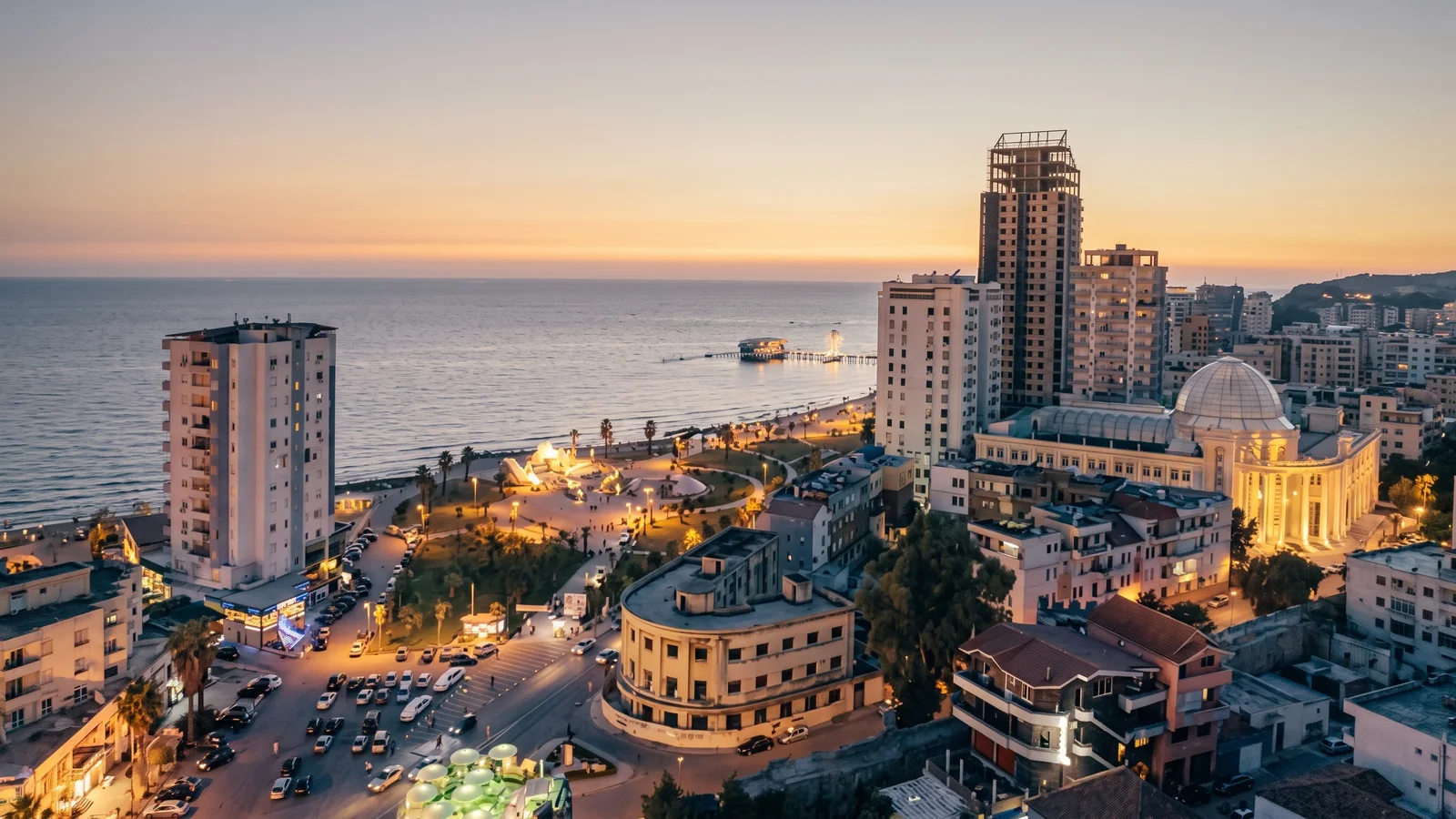
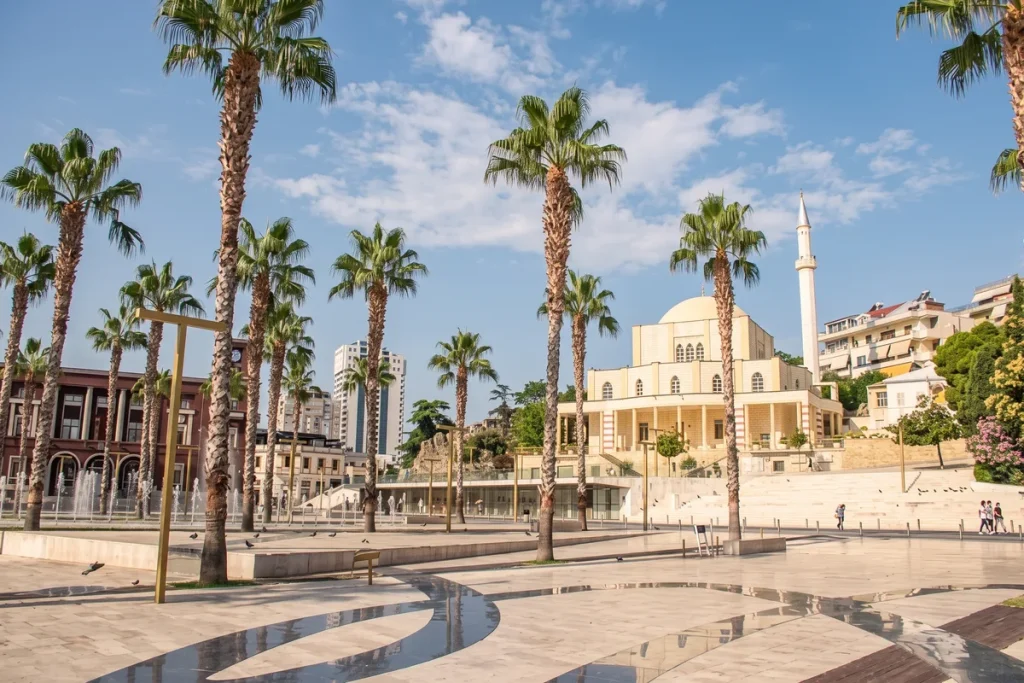
Why choose Durrës?
Durrës combines a working Adriatic port with one of Albania’s principal Roman sites. The amphitheatre, Archaeological Museum and historic waterfront give the city substance beyond its long beach corridor.
It suits travellers pairing culture with uncomplicated beach time, especially around an Italy ferry journey. The trade-off is urban density: the centre and resort strip feel distinct rather than forming a single seaside quarter.
See Arrival OptionsGetting to Durrës
Durrës is reached by road transport from Tirana and its airport, by international ferry or by car. Confirm current terminals and departure details for buses and ferries before travel.
Before you travelTravel realities and local limitations1 note
Durrës is a working port and urban resort, not a preserved seaside town. Modern development surrounds the archaeological remains, and the long beach corridor feels more like a separate resort district than an extension of the historic centre. Come for the useful combination of heritage, sea access and transport connections rather than an intimate old-town atmosphere.
What to do in Durrës
Give separate time to the ancient city, waterfront and beach rather than treating Durrës solely as a transit stop.
- 01
Durrës Amphitheatre
The city’s defining archaeological sight reveals the scale of Roman Dyrrachium. Its remains sit within the modern centre, making it the natural starting point for exploring Durrës’s ancient past.
- 02
Archaeological Museum
Use the museum’s collections to put the amphitheatre and the wider ancient city into context. Check current opening arrangements before building a day around it.
- 03
Byzantine walls and Venetian Tower
Follow the surviving fortifications through the centre to see how the city’s strategic Adriatic position shaped it after the Roman period. The round Venetian Tower is the most prominent surviving landmark on this route.
- 04
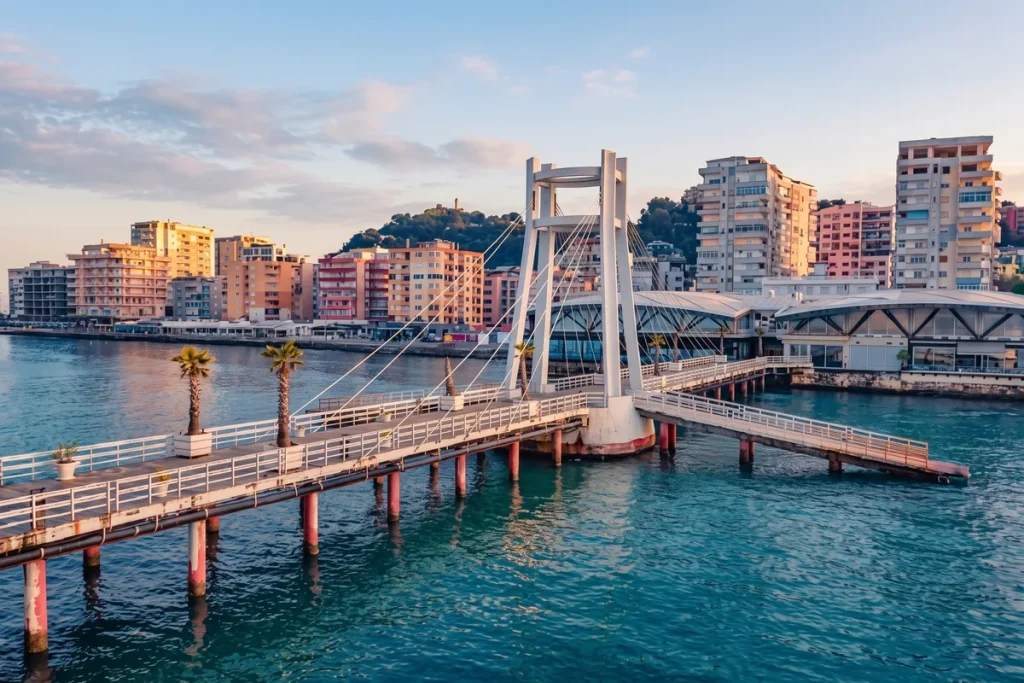
Waterfront and promenade
Walk the waterfront to experience Durrës as a living port city rather than a preserved historic quarter. The promenade and harbour views connect its maritime history with its modern public spaces.
- 05
Durrës beach
Set aside a dedicated beach period if the coast is part of your reason for staying. The long, urban resort corridor offers convenient Adriatic access but has a different atmosphere from the historic centre.
Is Durrës your kind of base?
Best suited to
- Ferry travellers — The port makes Durrës a practical first or final stop around a crossing to or from Italy.
- Beach-and-culture visitors — Roman archaeology and an Adriatic beach corridor can be combined within one short stay.
- No-car travellers — The central sights can be explored on foot, while buses, furgons and taxis cover airport, beach and intercity journeys.
- Families — The combination of an urban beach corridor and compact cultural sights allows beach time and sightseeing to be split across the same stay.
- Short-break travellers — Two full days allow time for the principal archaeological sights, waterfront and a dedicated beach period.
May not suit
- Quiet-resort seekers — The port, dense city centre and developed beach corridor do not provide a secluded or low-density coastal setting.
- Remote-coast seekers — Durrës offers an urban Adriatic beach experience rather than the coves and more dramatic coastal scenery found farther south.
Step-free conditions and specific accessibility services should be confirmed directly, as provision can vary between archaeological sites, transport and accommodation.
Choose your base before your hotel
Choose according to your main purpose: the centre for heritage and port access, or the beach corridor for time by the sea.
Historic centre and waterfront
Stay here for the amphitheatre, Archaeological Museum, fortifications and harbour. It best suits ferry passengers and culture-focused visitors, but immediate beach access is not its main advantage.
Durrës beach strip
Choose the resort corridor for promenade and shore access, particularly on a family or beach-led stay. You will be farther from the principal archaeological sights, so expect to use a local bus or taxi when visiting the centre.
More places worth exploring
Explore related places around Durrës.
- AttractionDurrës AmphitheatreCentral Roman archaeological site.
- BeachDurrës BeachLong sandy urban-resort shore.
- AttractionDivjakë–Karavasta National ParkWetland and birding destination best reached by car.
Before you go
The essentials for planning a stay in Durrës.
- Best months
- May and SeptemberThese months offer a better balance of beach weather and manageable visitor pressure.
- Peak season
- July and AugustExpect greater heat, crowding and pressure around the beach strip.
- Historic core
- WalkablePrincipal heritage sights are concentrated within roughly 2 km of the centre.
- Rail
- Do not plan around itUsable passenger rail service cannot currently be relied upon.
- Winter
- Quieter and wetterBeach-oriented stays are less compelling from November through March.
Durrës planning questions
Practical answers to help you plan your visit.
Can Durrës be visited as a day trip?
Yes. A day is enough for the amphitheatre, central archaeological landmarks and a waterfront walk. Stay overnight if you also want an unhurried beach period or are connecting with a ferry.
Does Durrës have its own airport?
No. Tirana International Airport Nënë Tereza is the practical airport for Durrës. Direct road connections are available, while late arrivals may require a taxi or pre-arranged transfer.
Can Durrës be used for day trips?
Tirana and Krujë are practical road-based excursions. Divjakë–Karavasta National Park is another possibility, but nature-focused trips are generally easier with a car, taxi or organised transfer.
What local food should I look for?
The port setting makes seafood a natural focus, alongside Albanian dishes such as grilled meats, byrek and vegetable-based meze. The centre and beach corridor offer different dining settings, from city restaurants to seasonal seafront venues.
Is Durrës only a ferry stop?
No. The amphitheatre, archaeological collections, fortifications and waterfront justify a cultural stop even without a crossing, while the beach corridor supports a longer coast-focused stay.